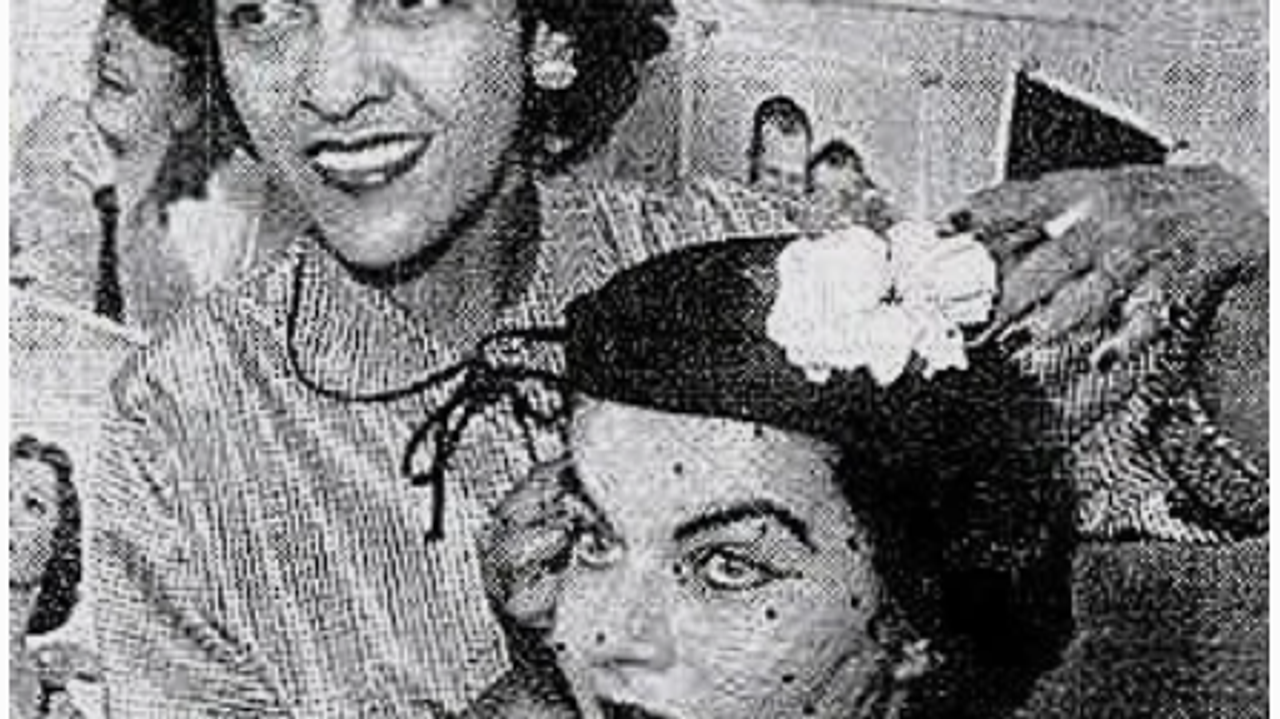
Mildred Blount
Milliner and hat designer for Hollywood films including Gone with the Wind

Why This Person Is Included
Mildred Blount created the elaborate antebellum-style hats worn in 'Gone with the Wind' (1939), one of the most celebrated films in Hollywood history. She was a trained milliner who worked in Los Angeles at a time when Black craftspeople were essential to the film industry's production capacity but invisible in its public accounting. She made the hats for a film about the antebellum South. The irony of her labor — a Black woman reconstructing the material culture of the system her ancestors lived in — was not remarked upon at the time.
Historical Significance
Blount's career represents the hidden infrastructure of the Hollywood Golden Age. The major studios employed Black craftspeople, seamstresses, and skilled artisans whose work appeared on screen without credit or acknowledgment. Blount's contribution to 'Gone with the Wind' is documented enough to name her. The broader labor of Black artisans in Hollywood in that era is documented enough to see its shape, but not always enough to name its practitioners.
The Story
Mildred Blount was born in Shickshinny, Pennsylvania, around 1907, and trained as a milliner. She moved to Los Angeles and established herself in the hat-making trade during the 1930s, when Hollywood was producing films at industrial scale and the wardrobe departments of major studios required skilled craftspeople across every category — seamstresses, tailors, cobblers, milliners, and jewelers.
Her most documented contribution is to 'Gone with the Wind' (1939), for which she created hundreds of hats — by some accounts over a thousand — including the elaborate antebellum-style creations worn by Vivien Leigh and the film's other principals. The film won ten Academy Awards, including Best Picture. The craftspeople who made its costumes and hats were not among the recipients.
The Smithsonian Connection
The Smithsonian Institution holds examples of Blount's work — the kind of institutional recognition that arrives decades after the commercial window has closed, when the object survives but its maker is largely forgotten. Her hats are in the collection. Her name requires effort to find.
Blount continued working in Los Angeles after 'Gone with the Wind,' contributing to other film productions and maintaining her millinery practice. The specific details of her career beyond her Hollywood work are not well-documented in publicly available sources. She died around 1974.
Research note: Mildred Blount's biography remains incompletely documented in public sources. Birth and death dates are approximate. The number of hats she created for 'Gone with the Wind' varies by source. This spotlight presents what can be stated with reasonable confidence and notes the limits of the current record.
Constraints & Tradeoffs
Blount worked in Hollywood at a time when the studios employed Black craftspeople extensively in production without crediting them in promotional materials or public records, without paying them equivalently to white craftspeople in similar roles, and without acknowledging their contributions to the finished product. The hats she created for 'Gone with the Wind' appear in one of the most celebrated films in Hollywood history; her name does not appear in the film's publicly celebrated creative history. The structural constraint was the industry's practice of treating Black creative labor as production input rather than artistic contribution.
What Actually Happened
Blount continued working in Los Angeles after 'Gone with the Wind,' contributing to other film productions and maintaining her millinery practice. The Smithsonian Institution holds examples of her work. She died around 1974. The number of hats she created for 'Gone with the Wind' varies by source — 'hundreds' to 'over a thousand' depending on the account — and the primary production records that would verify the exact count are not fully digitized. This profile presents what can be stated with reasonable confidence.
Pattern Extraction
Blount's pattern is the invisible essential: provide craft skills that are essential to a major commercial product, receive no credit in the product's public celebration, and be recovered by historians decades later when the Smithsonian preserves the physical objects. The pattern of essential-but-invisible creative labor is documented throughout Hollywood's Golden Age; Blount is the name we can attach to it in millinery.
Frequently Asked Questions
- Why is Mildred Blount considered unsung? ▾
- Blount made the hats for one of the most celebrated films in Hollywood history and received no credit, no award recognition, and little public acknowledgment during her lifetime. Her story illustrates a documented pattern: Black craftspeople were essential to the film industry's production capacity during the Golden Age but invisible in its official record. Her labor — a Black woman reconstructing the material culture of the antebellum South — was not remarked upon at the time.
- Was Mildred Blount credited for her work on Gone with the Wind? ▾
- No. Blount created the hats worn in Gone with the Wind (1939) but received no screen credit. The film's publicly celebrated creative history — costume design, set decoration, cinematography — was attributed to others. Black craftspeople who provided skilled labor to Hollywood productions during the Golden Age were routinely excluded from official credit.
- How many hats did Mildred Blount make for Gone with the Wind? ▾
- Sources vary: accounts range from "hundreds" to "over a thousand." The primary production records that would verify the exact count are not fully digitized or publicly available. What is documented is that she was the milliner on the production and that the film required an unusually large number of period-accurate hats for its cast.
- Where can Mildred Blount's work be seen today? ▾
- The Smithsonian Institution holds examples of Blount's hats — the kind of institutional recognition that arrives long after the commercial and professional moment has passed. Her work is in a major national collection. Her name still requires effort to find.
- Did Mildred Blount work on films other than Gone with the Wind? ▾
- Yes. Blount continued working in Los Angeles after Gone with the Wind, contributing to other film productions and maintaining her millinery practice. The specific titles and extent of her post-1939 film work are not fully documented in publicly available sources.
Sources
- 1.Curriculum reference. Phase 4 content decisions.