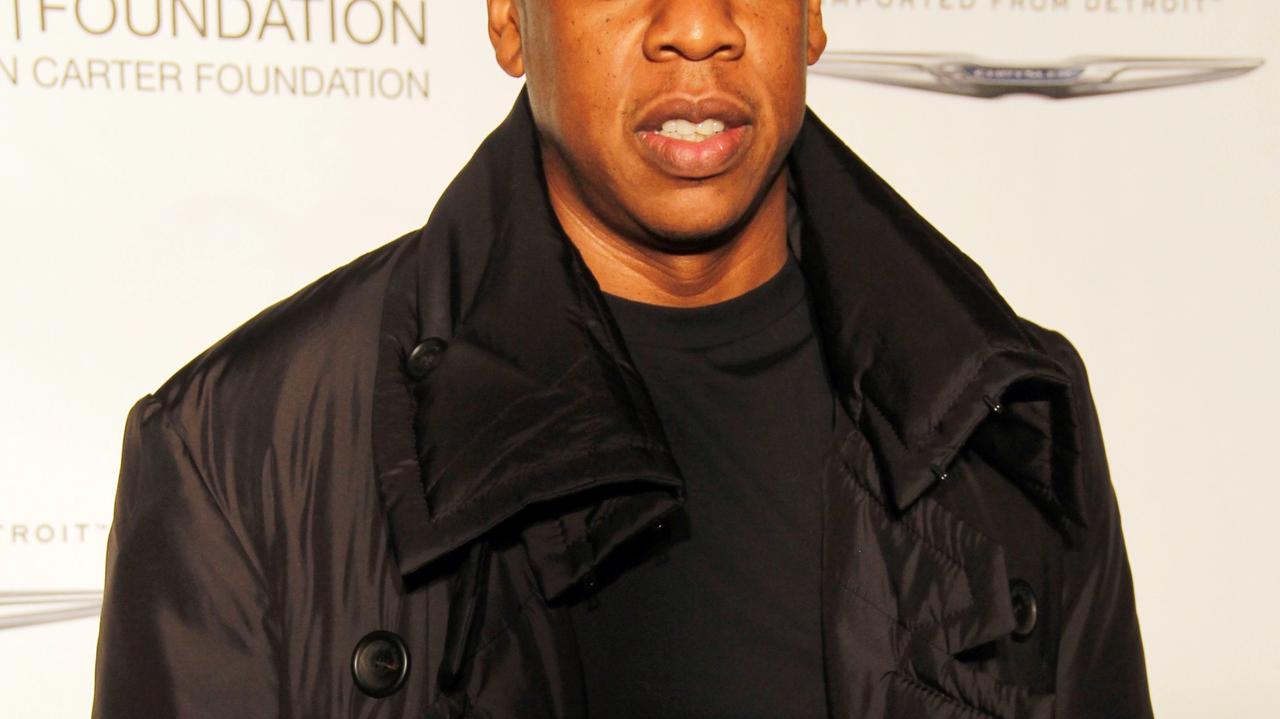
Jay-Z
Photo: Joella Marano / Shawn Carter Foundation Carnival, Flickr (Sep 2011) / CC BY-SA 2.0

Why This Person Is Included
His business story is reasonably well-documented in mainstream press. This profile focuses on the specific structure of each deal — the Tidal acquisition and exit mechanics, the Armand de Brignac LVMH partnership terms, the Marcy Venture Partners investment thesis — which are less widely understood than his general reputation as a business figure.
The Story
Carter's foundational approach is brand-as-leverage-for-equity: use cultural credibility to negotiate ownership stakes rather than endorsement fees across every sector the brand touches.1 The Vitaminwater model that Jackson pioneered, Carter applied independently — securing equity in champagne (Armand de Brignac), cognac (D'Usse with Bacardi), and music streaming (Tidal).
Roc Nation, Carter's entertainment company founded in 2008,1 manages athletes and artists under an umbrella structure covering music, sports representation, touring, and brand partnerships. Roc Nation Sports represents professional athletes across multiple major sports leagues.
LVMH Partnership; Tidal to Block
In February 2021, LVMH purchased a 50% stake in Armand de Brignac champagne — the brand Carter had acquired and built into a luxury status symbol — at a valuation that industry sources estimated at approximately $640 million.2 The LVMH partnership provides distribution through the world's largest luxury conglomerate and the institutional credibility that Carter's brand had been building for years.
In March 2021, Square (now Block) — Jack Dorsey's financial technology company — acquired Tidal, the music streaming service Carter had purchased in 2015.3 As part of the transaction, Carter and other artists received significant equity in Block.3 Carter remains connected to Tidal's mission through his Block equity position.
D'Usse Cognac, a joint venture with Bacardi,1 and Marcy Venture Partners, his VC firm co-founded with Larry Marcus and Jay Brown, continue to operate. Marcy Venture Partners has invested in companies including Savage X Fenty, Oatly, and Sweetgreen.4
Constraints & Tradeoffs
Building Without Infrastructure
Carter co-founded Roc-A-Fella Records in 1996 to maintain ownership of his master recordings at a time when the standard major label deal transferred all master rights to the label. He was building a business model that the industry actively disincentivized: owning your masters in 1996 required having your own distribution, your own promotional infrastructure, and enough market leverage to make a major label agree to distribute rather than sign. He had the leverage; building the infrastructure took years.
The Armand de Brignac champagne venture required establishing a luxury brand credibility that the market does not automatically assign to Black entrepreneurs. Carter had to demonstrate through placement, endorsement, and product quality that the brand was legitimately luxury — not a celebrity vanity project — before the market would sustain the pricing that luxury margins require.
What Actually Happened
As of 2026
LVMH purchased a 50% stake in Armand de Brignac in 2021, valuing the champagne brand and providing institutional distribution within the world's largest luxury conglomerate. Marcy Venture Partners, Carter's VC firm co-founded with Larry Marcus and Jay Brown, has deployed capital into companies including Savage X Fenty (Rihanna's lingerie company, before its planned IPO), Oatly, and Sweetgreen. D'Usse Cognac, a joint venture with Bacardi, continues to operate.
Tidal, the music streaming service Carter acquired in 2015, was sold to Square (now Block, led by Jack Dorsey) in 2021 in a deal that gave Carter a significant equity stake in Block. Roc Nation, the entertainment company Carter founded in 2008, manages athletes and artists under an umbrella structure that covers music, sports representation, and touring.
Pattern Extraction
Carter's pattern is brand as leverage for ownership: build cultural credibility first, then use it to negotiate equity stakes rather than fee arrangements in every sector the brand touches — champagne, VC, streaming, sports representation. The brand does not endorse the product; the brand is the collateral for ownership of it.
Frequently Asked Questions
- What was Shawn Carter's highest level of education? ▾
- Shawn Carter did not complete high school. He dropped out of George Washington High School in Brooklyn, New York, and did not attend college.
- What is Shawn Carter's net worth? ▾
- Forbes estimated Shawn Carter's net worth at approximately $2.5 billion as of 2024, making him one of the wealthiest figures in the music industry. Forbes first certified him as a billionaire in June 2019.
- How did Shawn Carter acquire and exit Tidal? ▾
- Shawn Carter acquired the streaming service Tidal — then operating as Aspiro — in March 2015 for approximately $56 million. In March 2021, he sold a majority stake to Square, Inc. (now Block, Inc.) in a deal valued at approximately $297 million in Square stock, representing a roughly fivefold return on the original purchase price.
- What was the Armand de Brignac deal with LVMH? ▾
- In February 2021, LVMH's Moët Hennessy acquired a 50% stake in Armand de Brignac, the champagne brand Shawn Carter had championed since 2006 and held an ownership stake in since approximately 2014. Financial terms of the transaction were not publicly disclosed.
- What is Marcy Venture Partners? ▾
- Marcy Venture Partners is a venture capital firm co-founded by Shawn Carter, Jay Brown, and Larry Marcus in 2019. The firm invests in consumer-facing companies at the intersection of culture, media, and commerce. Its fund size has not been publicly disclosed.