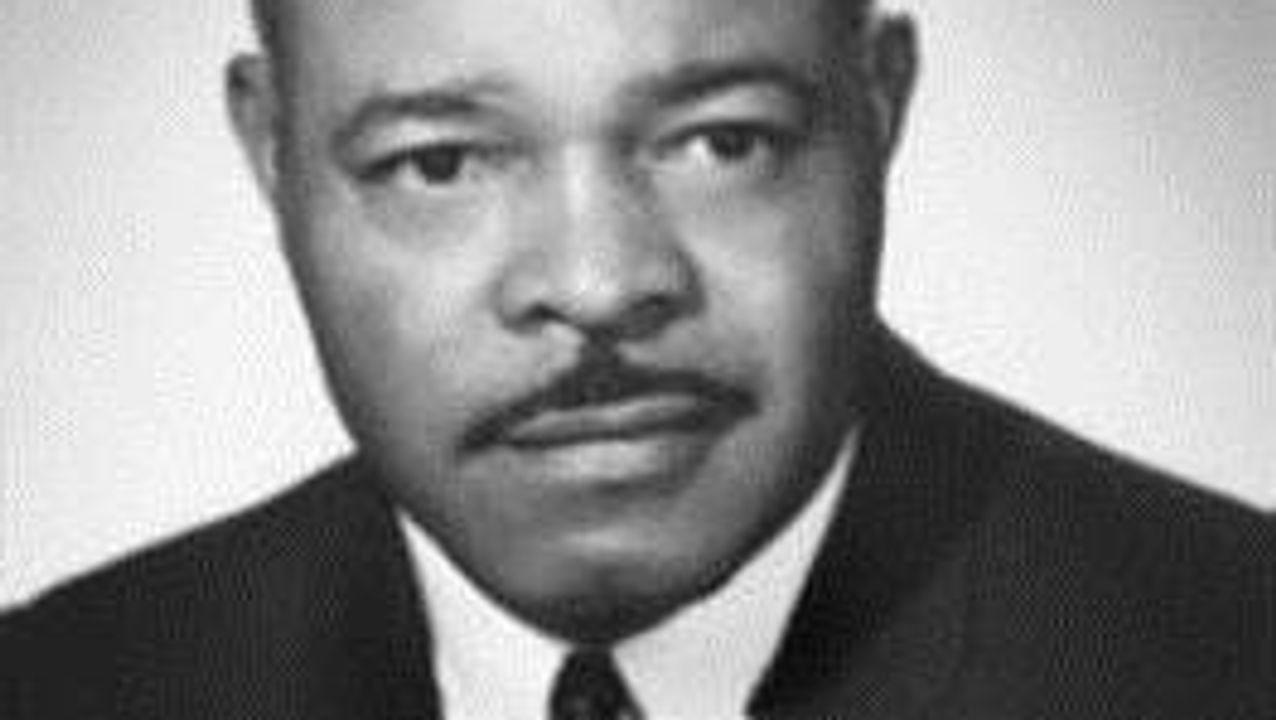
Zirl A. Palmer
Pharmacist and entrepreneur whose business was bombed by the Ku Klux Klan
Photo: Press / editorial use

Why This Person Is Included
Zirl A. Palmer operated a pharmacy in Lexington, Kentucky, during the early 20th century — a period when Black-owned businesses in the South faced not just market competition but organized terrorism. His pharmacy was bombed by the Ku Klux Klan. The act of rebuilding after that bombing is an entrepreneurial act of the same order as any leveraged buyout or franchise expansion — it required capital, will, community support, and a refusal to accept the market signal that the terrorists intended to send. Palmer is a footnote in the curriculum. He deserves a paragraph.
Historical Significance
Palmer's story represents the entrepreneurial infrastructure that Black communities built and maintained under conditions of organized violent suppression. The bombed pharmacy is not a story of victimhood — it is a story of structural resistance. Black-owned businesses in the Jim Crow South were not just commerce; they were community anchors that white supremacist organizations specifically targeted because of that fact.
The Story
Zirl A. Palmer operated a pharmacy in Lexington, Kentucky, during the early decades of the 20th century. In a city where Black residents faced systematic exclusion from white-owned commercial establishments, a Black-owned pharmacy was not just a business — it was access to medicine, to professional consultation, and to the basic commercial dignity that segregation denied.
The Ku Klux Klan bombed his pharmacy. This was not unusual. The Klan and affiliated organizations specifically targeted successful Black-owned businesses in the South and border states during the early 20th century — the bombing of the Greenwood District in Tulsa in 1921 is the most documented example, but it was not an isolated event. Black business ownership was understood by white supremacist organizations as a form of social equality that their ideology required them to destroy.
Palmer rebuilt. The act of reopening a bombed business is an entrepreneurial calculation under extreme conditions: the assessment that the market, the community, and the mission justify the continued risk. That Palmer made that calculation and rebuilt places him in the same analytical category as every other entrepreneur in this curriculum who assessed a hostile environment and continued anyway.
Research note: Specific biographical details about Zirl Palmer — birth and death dates, the exact date and circumstances of the bombing, his subsequent career — are incompletely documented in publicly available sources. This spotlight is based on the Rogers curriculum reference and invites further primary research at Kentucky state archives, Lexington historical society, and NAACP branch records from the early 20th century.
Sources
- 1.Rogers, Steven. Successful Black Entrepreneurs. Wiley, 2022. Franchising chapter reference.