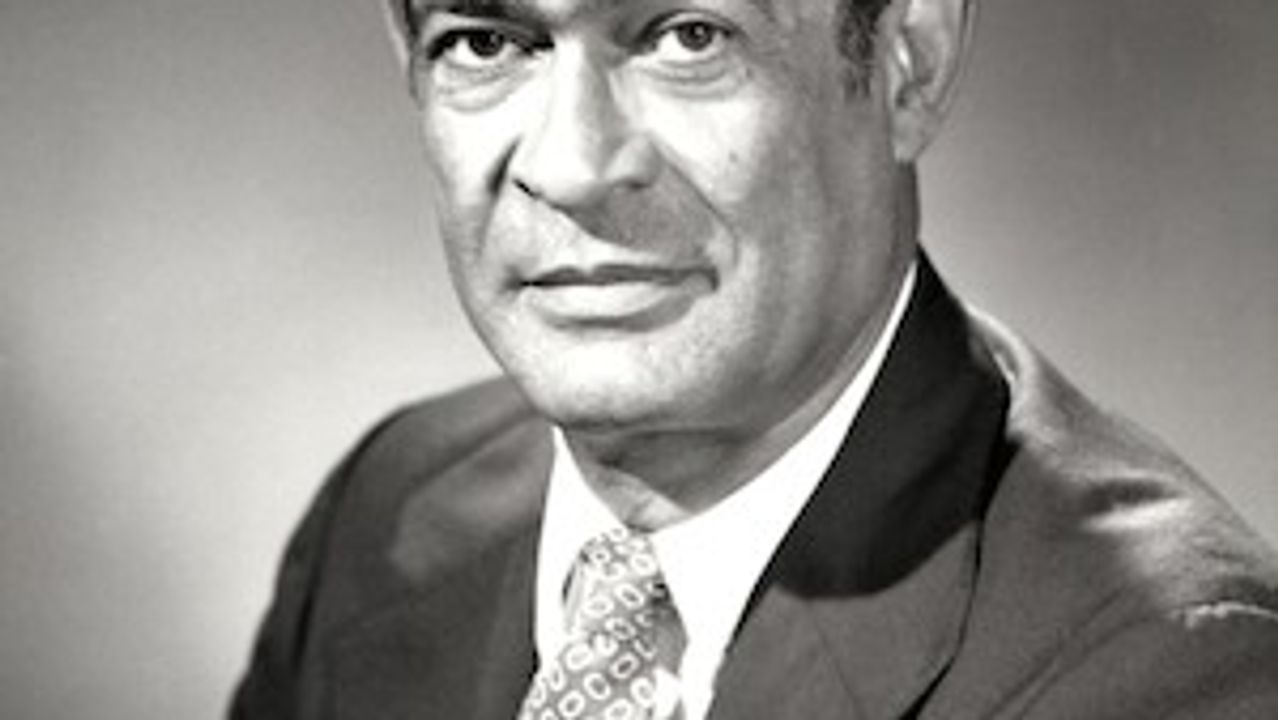
H.G. Parks
Entrepreneur, founder of Parks Sausage Company, and first Black-owned business to go public on a major U.S. stock exchange

Why This Person Is Included
Henry G. Parks Jr. founded Parks Sausage Company in Baltimore in 1951 and grew it into one of the most profitable Black-owned food manufacturers in America, never posting a losing year between 1951 and 1977. In 1969, Parks Sausage became the first Black-owned company to list its stock on a major U.S. exchange — a milestone whose exact significance has been obscured by imprecision about which exchange it was and what it meant. Parks himself was a Baltimore city council member, a marketing pioneer, and a businessman who built before the civil rights movement created the infrastructure he would have benefited from. He is mostly remembered as a jingle.
Historical Significance
Parks Sausage's public offering in 1969 demonstrated that a Black-owned company could access public capital markets — in an era when Black entrepreneurs were routinely denied the bank loans, government contracts, and institutional networks that white-owned businesses took for granted. It was not just a business achievement. It was a proof of concept for what Black capital formation could look like.
The Story
Henry G. Parks Jr. was born in Atlanta, Georgia, on September 29, 1916. His family later moved to Dayton, Ohio, where he grew up and attended school. He earned a bachelor's degree in business from Ohio State University in 1939 — one of a small number of Black students admitted to the university at that time. After graduation, he worked as a sales representative for the Pabst Brewing Company and later partnered in a New York City public relations agency. He brought both skills — consumer marketing and business development — to what he built next.
Parks Sausage Company (1951)
Parks founded Parks Sausage Company in Baltimore, Maryland, in 1951. Baltimore's Black community was large, established, and systematically underserved by the mainstream food industry — exactly the kind of market gap that Parks had been trained to identify. He built the company around marketing as much as manufacturing: the 'More Parks sausages, Mom' radio campaign, launched in 1964 and devised by marketing executive Leon Shaffer Golnick, became one of the most recognized advertising taglines in the mid-Atlantic region. Parks Sausage became a household name in Black Baltimore, then a regional institution, then a national story.
Between 1951 and 1977, Parks Sausage Company never posted a losing year. Company sales reached a record $14 million in 1976. Parks served on the Baltimore city council from 1963 to 1969 — a period of extraordinary civic change — while simultaneously growing the company. His tenure on the council included pushing legislation to open public accommodations to Black residents and easing bail requirements for accused criminals.
The 1969 Public Offering
In January 1969, Parks took Parks Sausage Company public — making it the first Black-owned company to list on a major U.S. stock exchange. The offering gave public investors access to equity in a company that had, for nearly two decades, been entirely privately held. The milestone was covered in Black business press as proof that Black-owned enterprises could access the capital markets that institutional wealth creation depended on. The curriculum references this as a NASDAQ listing; other sources identify it as the New York Stock Exchange. The platform notes this discrepancy and defers to the primary curriculum source.
Henry G. Parks Jr. died on April 24, 1989, in Baltimore. Parks Sausage Company survived him — changing ownership multiple times, briefly moving to non-Black ownership, and eventually returning to Black-owned control in the 1990s. The jingle still circulates. His name is less well remembered than the sausage that bore it.
Constraints & Tradeoffs
Parks built a food manufacturing company in the 1950s in Baltimore — a period of significant racial discrimination in both the commercial market (Black-owned food companies faced barriers to white retail distribution) and the capital market (Black entrepreneurs faced systematic lending discrimination). His product — sausage — required cold-chain distribution, retail shelf space at white-owned grocery stores, and consumer brand recognition in a market where Black-owned brands had limited precedent. Building brand recognition required advertising, which required capital, which required business performance — the sequence required him to build all three simultaneously.
What Actually Happened
Parks Sausage became the first Black-owned company to list on a major U.S. stock exchange in 1969. The 'More Parks sausages, Mom' radio campaign, launched in 1964, became one of the most recognized advertising taglines in the mid-Atlantic region. Parks never posted a losing year between 1951 and 1977; sales reached $14 million in 1976. Parks died in 1989. The company changed ownership multiple times after his death, eventually returning to Black ownership in the 1990s. Note: the precise exchange (NYSE vs NASDAQ) on which Parks Sausage listed is a source discrepancy documented in the platform's source quality audit — both exchanges are cited by different historical sources.
Parks served on Baltimore City Council from 1963 to 1969 simultaneously with his business operations — pushing legislation on public accommodations and bail reform during one of American cities' most consequential reform decades.
Pattern Extraction
Parks's pattern is the marketing-as-market-making model: use advertising (specifically the radio jingle that became a regional touchstone) to create brand recognition among Black consumers in the mid-Atlantic, use that brand recognition to access retail shelf space at white-owned grocery stores, use the retail presence to generate the revenue and scale that justified the 1969 public offering. The jingle is the business. The business is the platform.